Don't Forget Who Built This Hobby
Consolidation, grading costs, and access. The little guys aren't standing on the edges of this hobby — they are the backbone of it.
Coach Winn · August 2026 · 8 min read
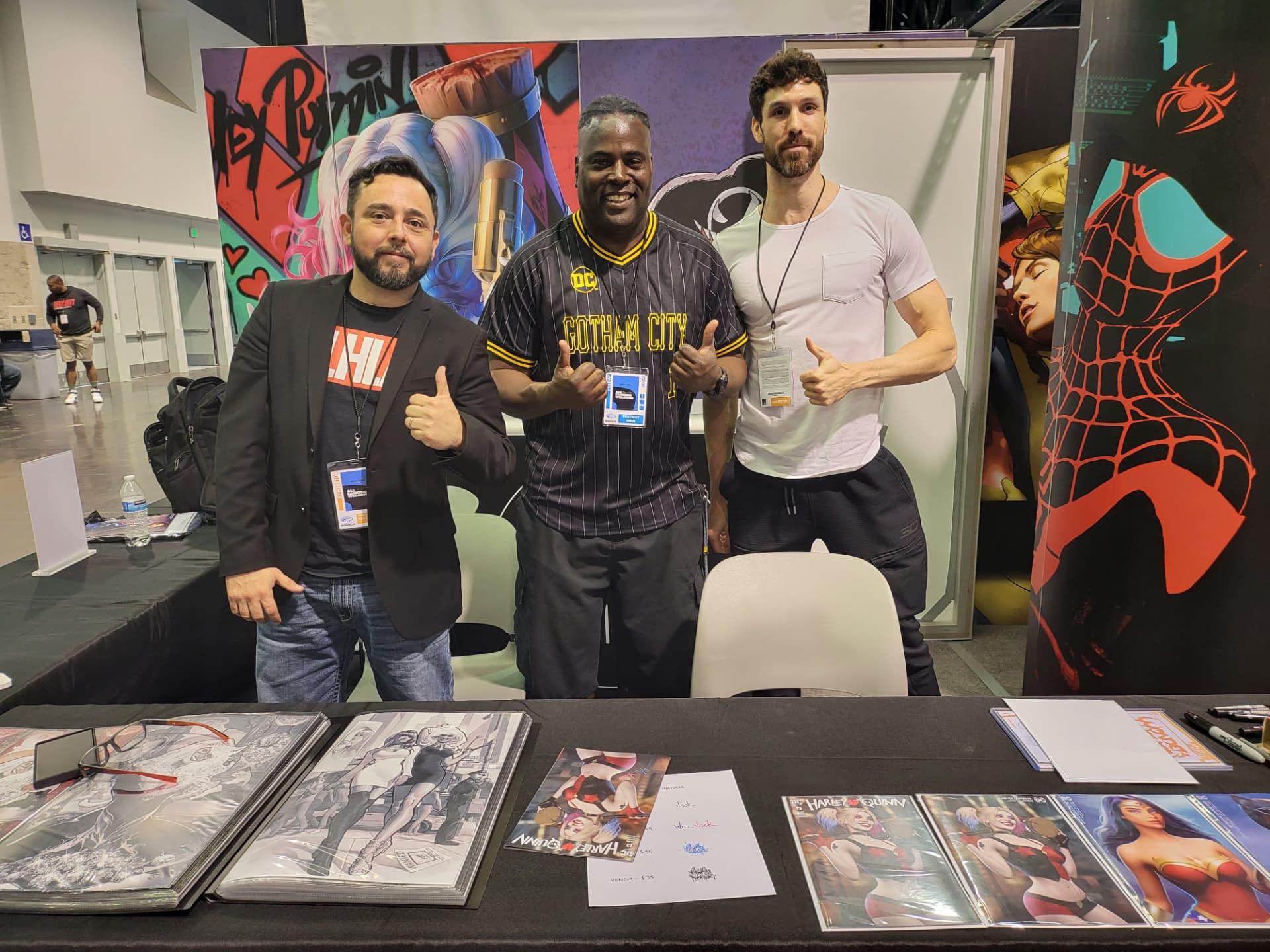
West Coast National (formerly the Burbank Card Show) · Burbank, CA · 2023
I have been around sports cards long enough to remember when this hobby wasn't considered big business.
- ·Before billion-dollar corporations.
- ·Before exclusive league licenses.
- ·Before breaking became entertainment.
- ·Before grading became almost its own industry.
- ·Before algorithms decided what collectors should see.
There were collectors. There were card shows. There were dealers. There were local card shops. There were parents buying packs for their kids. There were kids riding their bikes to stores. There were people sitting behind folding tables at hotel ballrooms and convention centers.
Those people built this hobby. And I'm increasingly concerned that the businesses benefiting most from today's sports-card boom are forgetting them.
The Little Guys Are Getting Squeezed
Talk to enough hobby-shop owners and collectors and you'll hear the concerns.
- ·Product allocations.
- ·Rising wholesale costs.
- ·Limited access to desirable releases.
- ·Grading costs.
- ·Longer grading timelines.
- ·Increasing membership requirements.
- ·More corporate control over manufacturing and distribution.
Some of those pressures are simply the result of a growing hobby. But when more power gets concentrated among fewer companies, collectors should pay attention.
Fanatics now operates one of the most powerful positions the sports-card industry has ever seen through Topps and major league licensing relationships. Meanwhile, the broader trading-card industry has seen major legal battles over competition and exclusive rights.
That doesn't automatically make Fanatics the enemy. Growth can bring investment, better products, new collectors and innovation. But consolidation also creates responsibility.
“If you're going to benefit from a hobby, you should protect the ecosystem that made the hobby possible.”
Grading Is Becoming Harder for Ordinary Collectors Too
PSA's own announcements illustrate another part of the pressure collectors and shops are feeling. In February 2026, PSA increased several card-grading prices and extended estimated turnaround times for multiple service levels. PSA said the changes were intended to better balance submission demand against grading capacity.
I understand capacity. I understand business. I understand that companies have expenses.
But there is another side of that equation. Every additional fee eventually reaches the collector. If a card shop helps customers submit cards, those delays affect the shop. Those price increases affect the shop. Those additional requirements affect the shop.
And eventually somebody has to decide whether a $40, $50 or $75 card is even worth grading anymore. That's not simply a grading-company problem. That's a hobby-access problem.
Local Card Shops Are More Than Distribution Points
This is where I think the biggest companies sometimes misunderstand the hobby. A card shop isn't merely another place to move inventory. A good card shop is a community center.
- ·It is where a ten-year-old learns what a rookie card is.
- ·It's where somebody brings their father's collection after he passes away.
- ·It's where longtime collectors talk baseball for an hour and buy nothing.
- ·It's where a young collector learns the difference between a real autograph and a facsimile.
- ·It's where somebody discovers the hobby for the first time.
You cannot replace that entirely with an app. You can't reproduce it with a fulfillment center. And you definitely can't manufacture it with advertising.
Be Careful Trying to Own the Hobby
A company can own licenses. A company can own trademarks. A company can own manufacturing facilities. A company can own marketplaces. A company can own grading companies.
But nobody owns collecting. The hobby belongs to the people participating in it.
That's why I believe any company that begins treating collectors only as revenue sources eventually creates an opening for somebody else. Collectors will move. Collectors always have.
We've seen grading companies rise and fall. We've seen card manufacturers disappear. We've seen once-dominant brands become memories. The hobby survived all of them.
Competition Is Healthy
I don't want companies to fail. I want companies to compete.
- ·Make better cards.
- ·Provide better service.
- ·Improve turnaround times.
- ·Support shops.
- ·Give small dealers reasonable opportunities to get product.
- ·Help kids enter the hobby.
- ·Keep collecting affordable at multiple levels.
- ·Treat collectors like partners instead of captive customers.
That's how you grow this hobby for another generation.
Remember the Backbone
The billion-dollar companies may control pieces of the sports-card business today. But they didn't create the passion.
Collectors did. Local dealers did. Card-shop owners did. Show promoters did. Parents did. Kids did. The person who spent Saturday morning digging through a dollar box did. The dealer who remembered that you collected Dodgers cards did. The shop owner who put aside a card because he knew you would want it did.
Those are the people who built this hobby. And they'll still be here when corporate strategies change again.
So grow the hobby. Modernize it. Make money. Bring new people in. But don't crush the people who carried it long enough for big business to discover that there was money to be made.
“The little guys aren't standing on the edges of this hobby. They are the backbone of it.”