PSA Watchdog
I've been collecting since 1985 and walked my first National in 1991. This desk exists for one reason: the hobby belongs to collectors and the small shops that raised them — not to whoever owns the loudest label.
Respectfully argued. Collector centered.
Four things I'll keep saying out loud.
Transparency over hype
Pop reports, turnaround times, and price tiers should be readable by a first-year collector — not decoded by insiders.
Small shops built this
The card shop on the corner taught more collectors than any marketing budget ever did. They deserve a seat at the table.
Grades are opinions
A slab is one company's opinion on one day. Useful — but it isn't scripture, and it shouldn't set the ceiling on your joy.
Respect, always
We criticize practices, not people. No pile-ons, no conspiracy theater. Just receipts, questions, and collector-first answers.
PSAripoff.com
The full investigation lives here: grading control, pop reports, receipts, the public letter, and collector stories the industry would rather bury.
Articles from the desk.
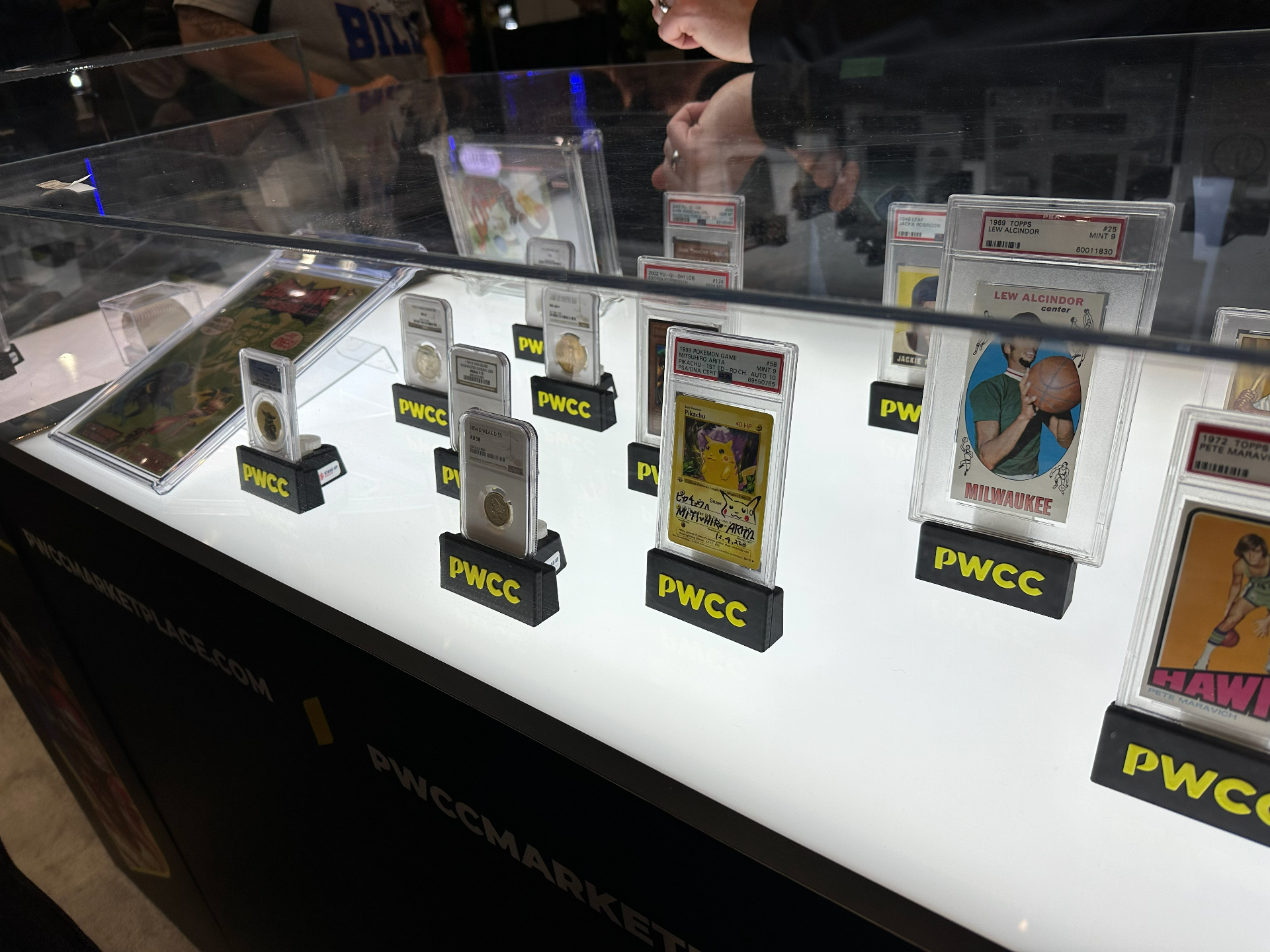
PSA Watchdog
The Rise of 1990s Junk Wax Grading
Population reports are exploding for cards that were once stacked in discount bins. Here's what that trend means for new collectors.
Read the report →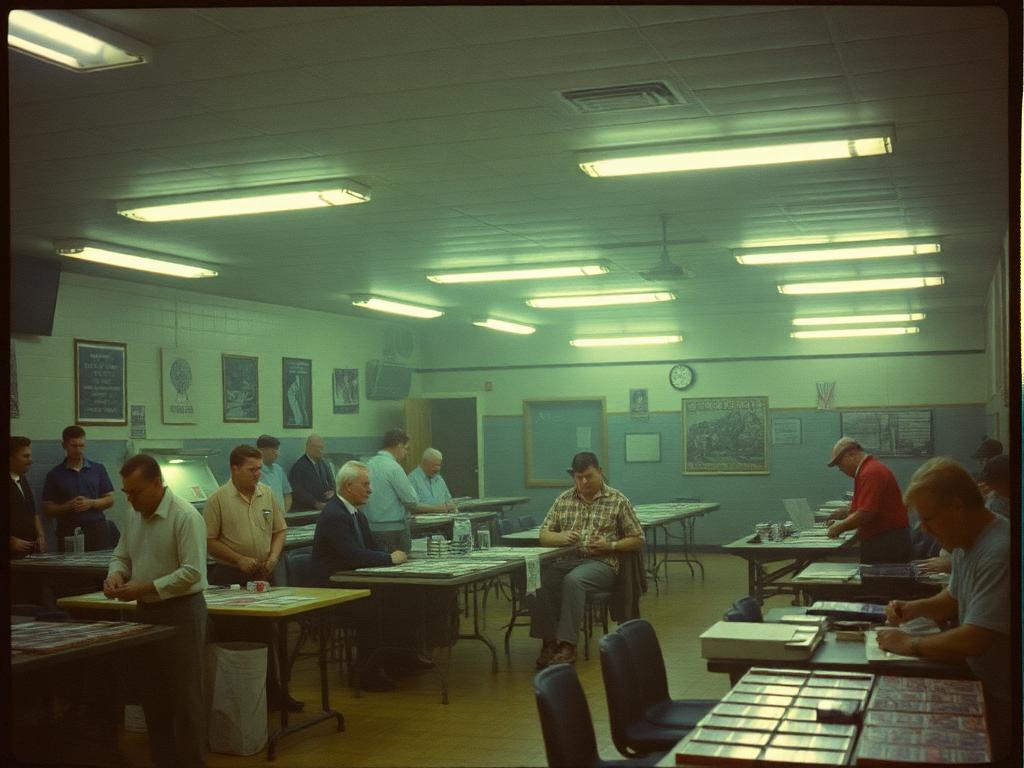
PSA Watchdog
Spotting Re-Sealed Wax Packs
Three things to look for in 1986–89 Fleer cases before you trust what is underneath the wrapper.
Read the report →
PSA Watchdog
When a 10 Stops Feeling Like a 10
Grading is useful. It is also subjective. Here's how to keep a number from becoming a feeling.
Read the report →I was There.
"Back then the show floor was shop owners, kids with binders, and people who actually loved the cards. That's the hobby I'm still protecting."
Coach Winn
Wear the conversation.
Statement apparel for collectors who ask questions at the table. Every piece is a conversation starter at the show, not a shot at anyone personally.
Seen something worth flagging?
Bad grade, odd pop movement, a shop getting squeezed — send it over. Nothing gets posted without receipts and a fair hearing.
Send it to the desk