The Rise of 1990s Junk Wax Grading
Population reports are exploding for cards that were once stacked in discount bins. Here's what that trend means for new collectors.
Coach Winn · August 2026 · 6 min read
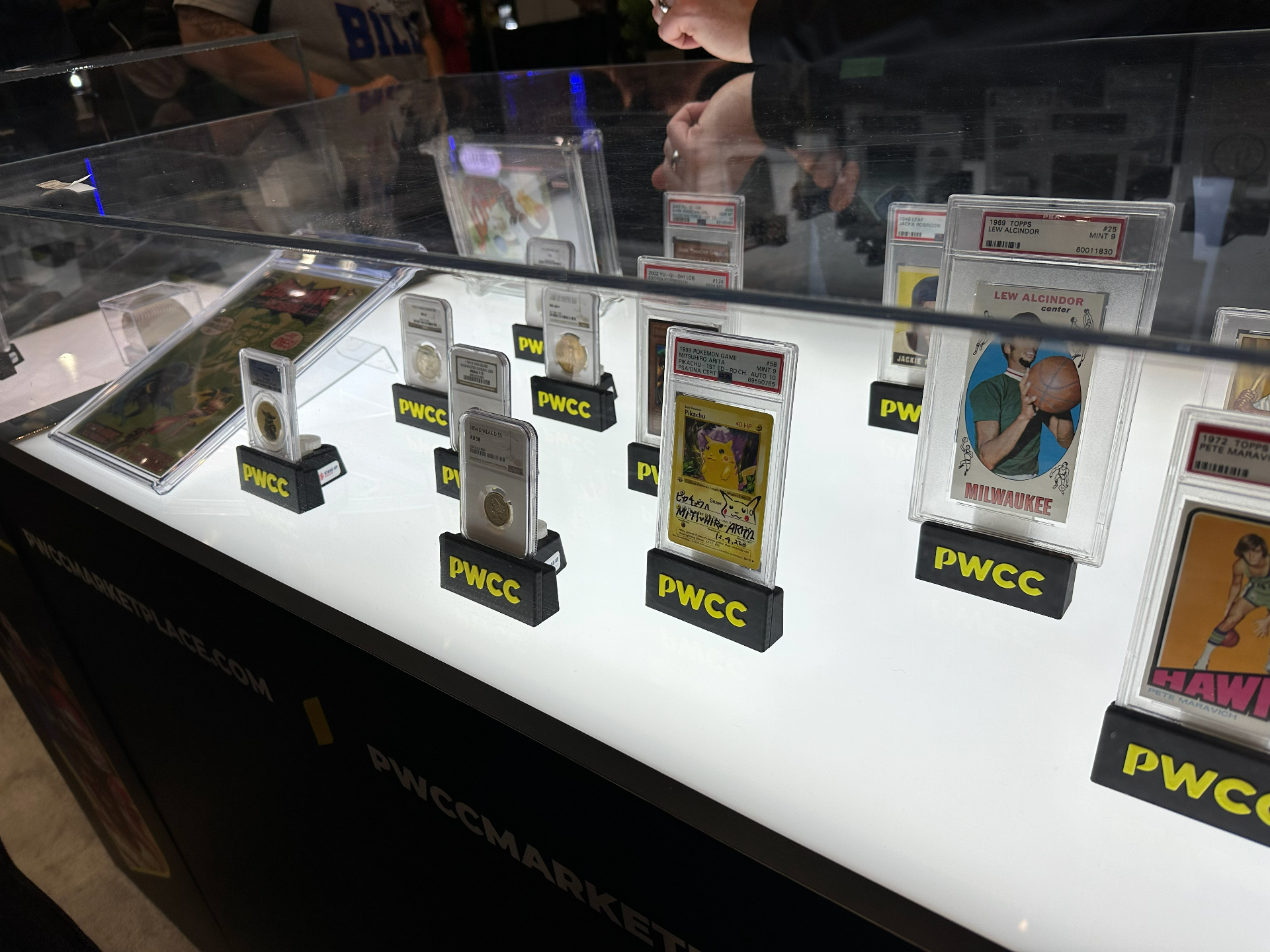
If you started collecting in the last few years, you might think every 1990s card is worth something. The slabs are everywhere.
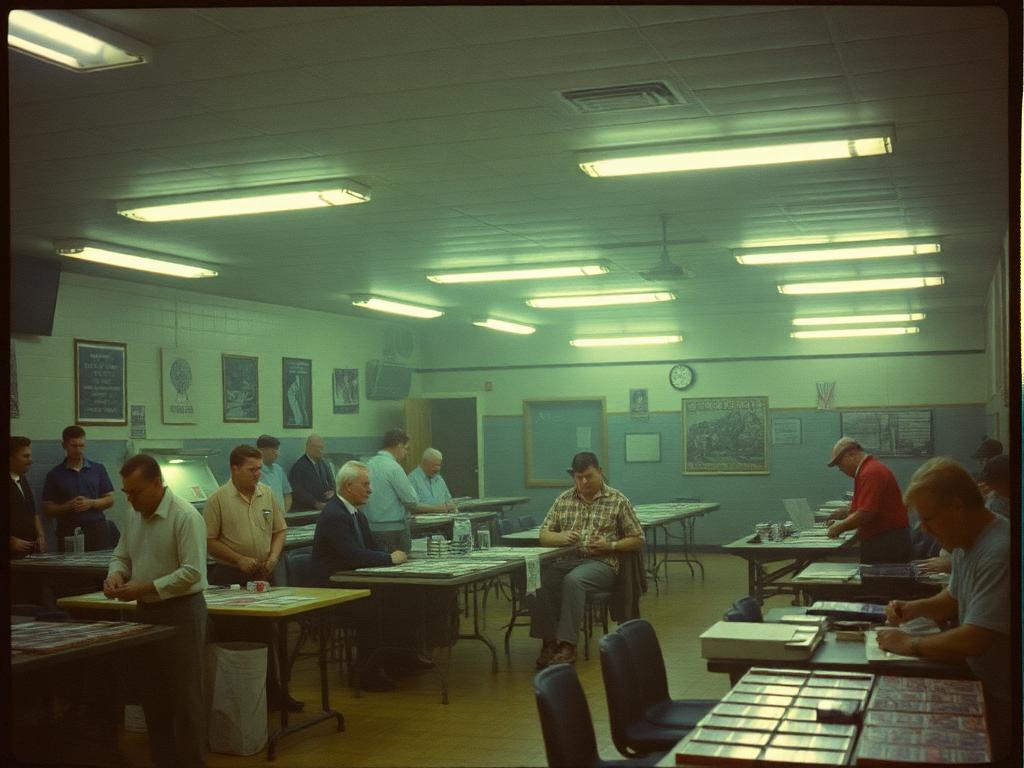
But most of those cards were printed in quantities that would make a modern print run look like a limited edition. The hobby calls it 'junk wax' for a reason: the cards were overproduced, undercollected, and often treated like disposable entertainment.
Grading changed that. A Gem Mint 10 from a major grader turns a $0.25 card into a $25 card, a $50 card, sometimes more. Suddenly there was incentive to send in cards that were never meant to be preserved.
Population Reports Tell a Story
A population report is just a running count of how many cards a grading company has certified at each grade. It is one of the most useful tools a collector has — and one of the easiest to misread.
When you see a 1990s card with a PSA 10 population of 5,000, that number is not a sign of rarity. It is a sign of abundance. The card is common. The grade is common. The only thing that might be uncommon is the buyer's attention span.
- ·High population + low player demand = usually a long-term holder's headache.
- ·High population + high player demand = a market price, but not an investment thesis.
- ·Low population + high demand = the classic scarcity signal.
- ·Low population + low demand = the card may simply not be worth grading.
“The grade describes condition. The population report describes scarcity. They are not the same thing.”
Why This Matters for New Collectors
If you are buying your first 1990s graded cards, it is easy to assume that a 10 means you found something special. Sometimes you have. Most of the time, you have found a well-preserved copy of a very common card.
That is not a scam. The grade is real. The condition is documented. But the resale value depends on what the market actually wants, and the market does not want infinite copies of the same card.
This is not a knock on grading companies. It is a reminder that a slab is one piece of information, not the whole picture. Always cross-reference the population report with recent sales before you buy.
What to Look For Instead
The 1990s produced real gems. Rookie cards of Hall of Famers. Short-printed inserts. Parallels that were genuinely limited. International and regional releases. Error cards that were corrected mid-run. These are the cards worth studying.
A 1992 Shaquille O'Neal rookie in a high grade still has a story. A 1992 role player with the same grade has much less to say. The difference is not the grade. It is the player, the set, and the scarcity of the card itself.
“A slabbed 9 from 1992 doesn't mean the card is rare. It means it survived a printing press that never stopped.”
Collect what you love. But when you are spending real money, look past the plastic and ask what is actually inside it.
Share This Story
Pull-quotes sized for Instagram, Facebook, and X. Tap to copy.