When a 10 Stops Feeling Like a 10
Grading is useful. It is also subjective. Here's how to keep a number from becoming a feeling.
Coach Winn · August 2026 · 5 min read
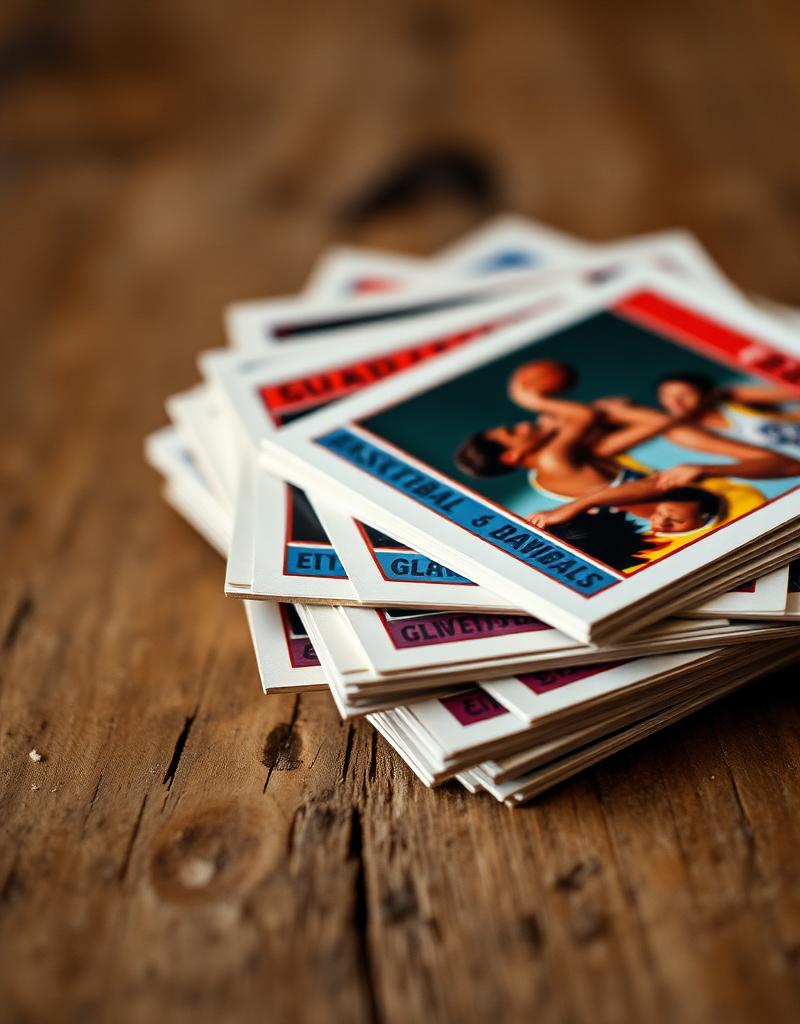
There is a strange moment in collecting when you stop trusting your own eyes and start trusting the number on the slab. That is the moment grading has done too much.
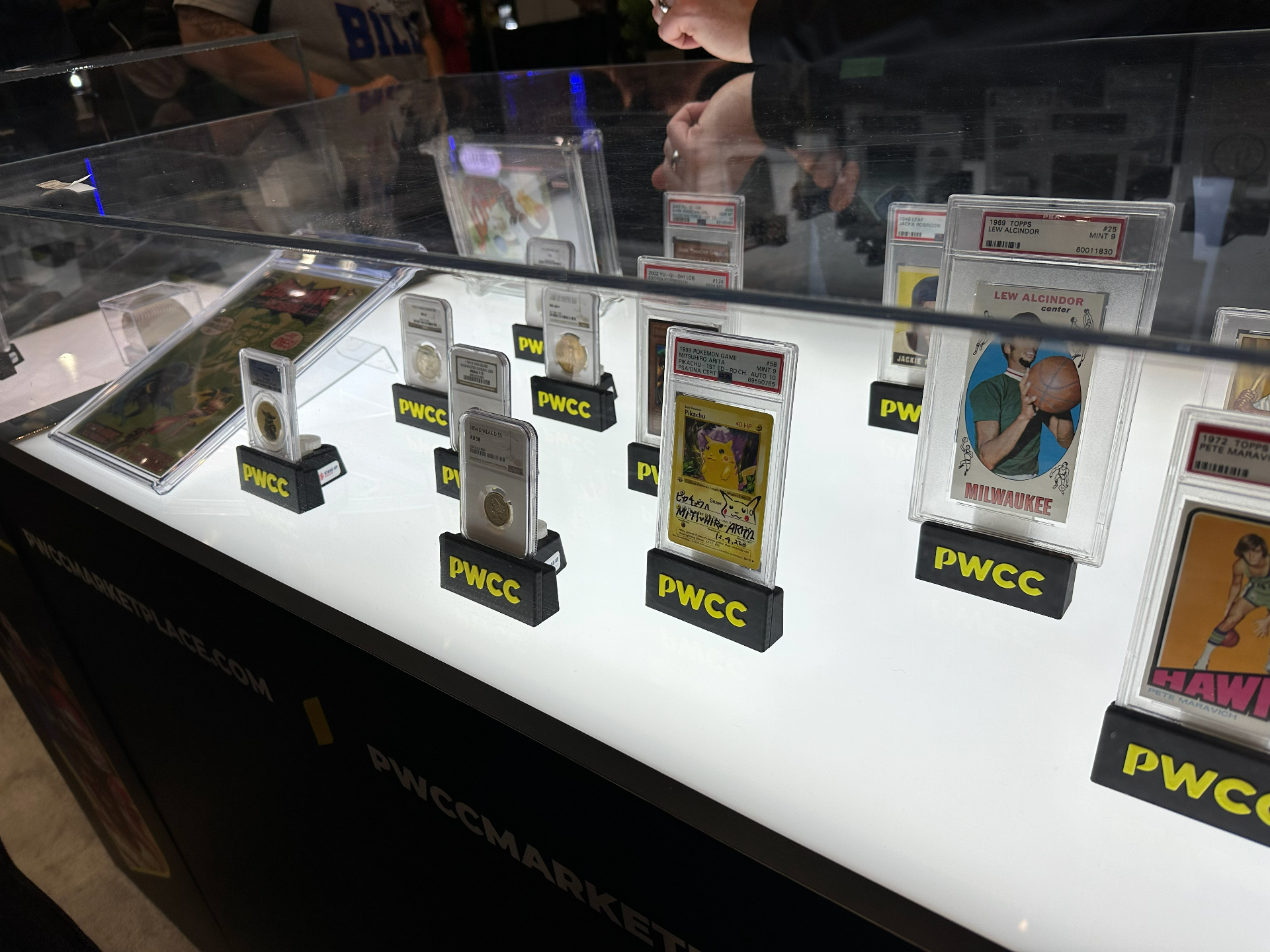
Grading companies provide a valuable service. They authenticate cards, evaluate condition, and give buyers and sellers a shared language. For online transactions, that language matters. But the grade is still a human or machine-assisted opinion on a single day, not a permanent truth about the card.
Every experienced collector has seen a 9 that looks better than a 10. Every experienced collector has seen a 10 that makes them scratch their head. That does not mean the grading company is corrupt. It means condition is a spectrum, not a formula.
“A 10 is a snapshot, not a promise.”
What a Grade Actually Covers
A grade evaluates visible condition: centering, corners, edges, surface. It does not evaluate everything that matters. It does not measure story, scarcity, nostalgia, or whether the card has been altered in ways that are invisible to the naked eye.
- ·A grade does not tell you if the card will be a 10 forever.
- ·A grade does not tell you if the market will still want this card in five years.
- ·A grade does not tell you if the price you paid is fair.
- ·A grade does not tell you why you wanted the card in the first place.
The Grade Should Serve the Collection
It is easy to chase the highest grade. The internet rewards it. Sales data rewards it. But a collector's room should not be built entirely on numbers. Some cards are worth owning raw because you found them. Some cards are worth owning in a lower grade because the price was right and the player matters to you.
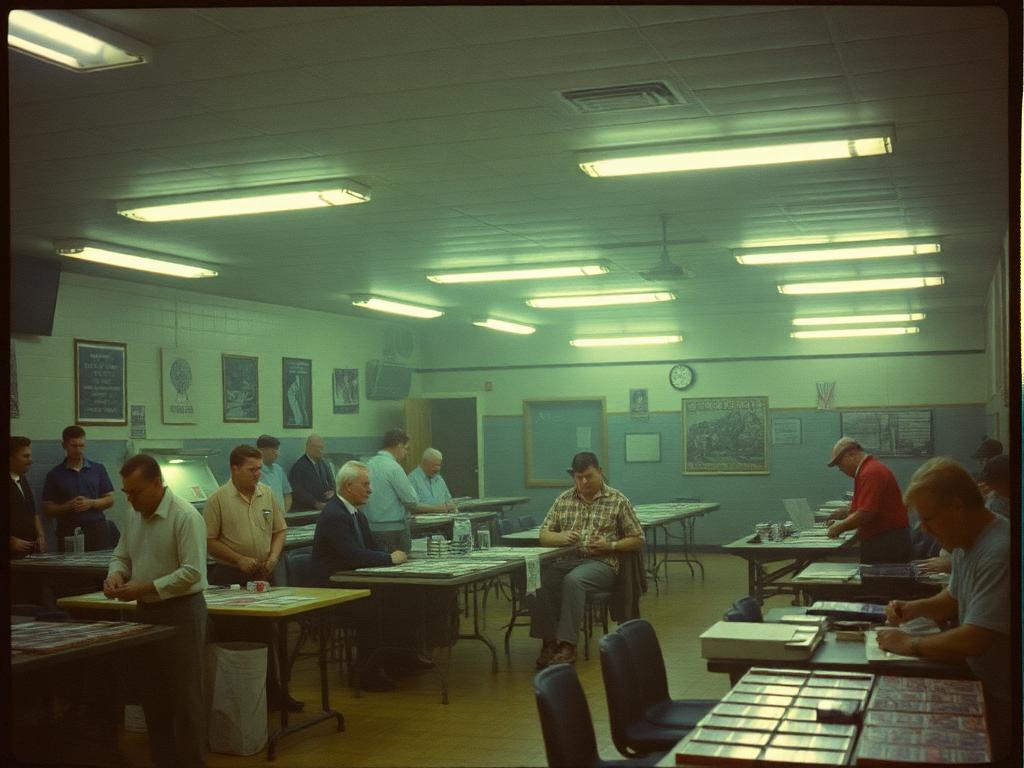
The people who built this hobby did not grade their cards. They kept them in shoeboxes, in binders, in plastic pages. They traded them, lost them, found them again. The value was in the memory, not the plastic.
“The card is the collectible. The grade is just the label on the case.”
None of this is anti-grading. Grading is a tool, and tools are useful when you know what they do. The problem starts when the grade becomes the only thing you see.
Buy the card first. Buy the grade second. And remember that a collector with one beloved raw card is still a collector.
Share This Story
Pull-quotes sized for Instagram, Facebook, and X. Tap to copy.