The Legacy of Collecting: Why the Hobby Must Keep the Tent Big
A collectible can have two values: market value and personal value. Those numbers are rarely the same.
Coach Winn · August 2026 · 9 min read
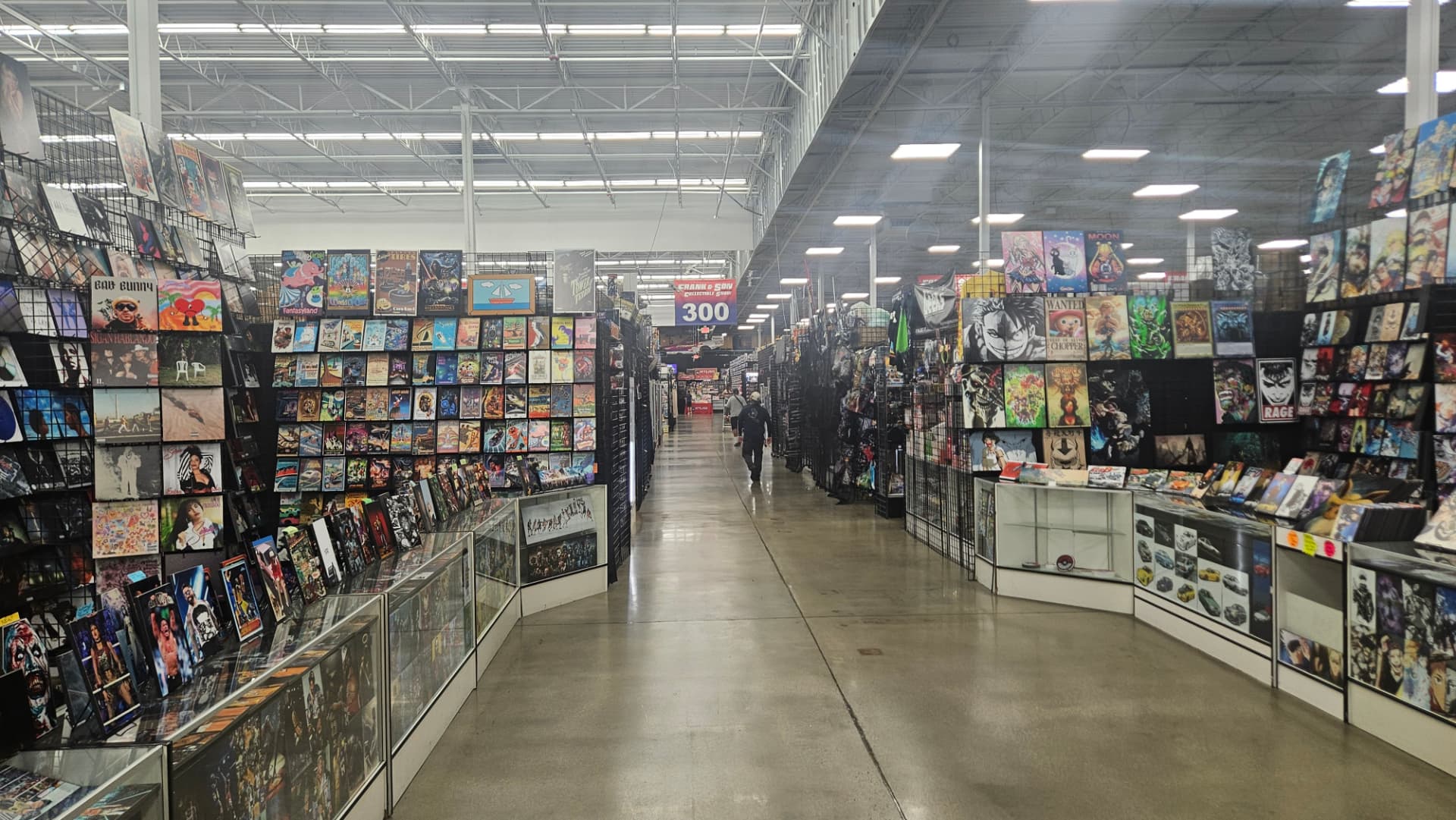
Frank & Son Collectible Show · City of Industry, CA
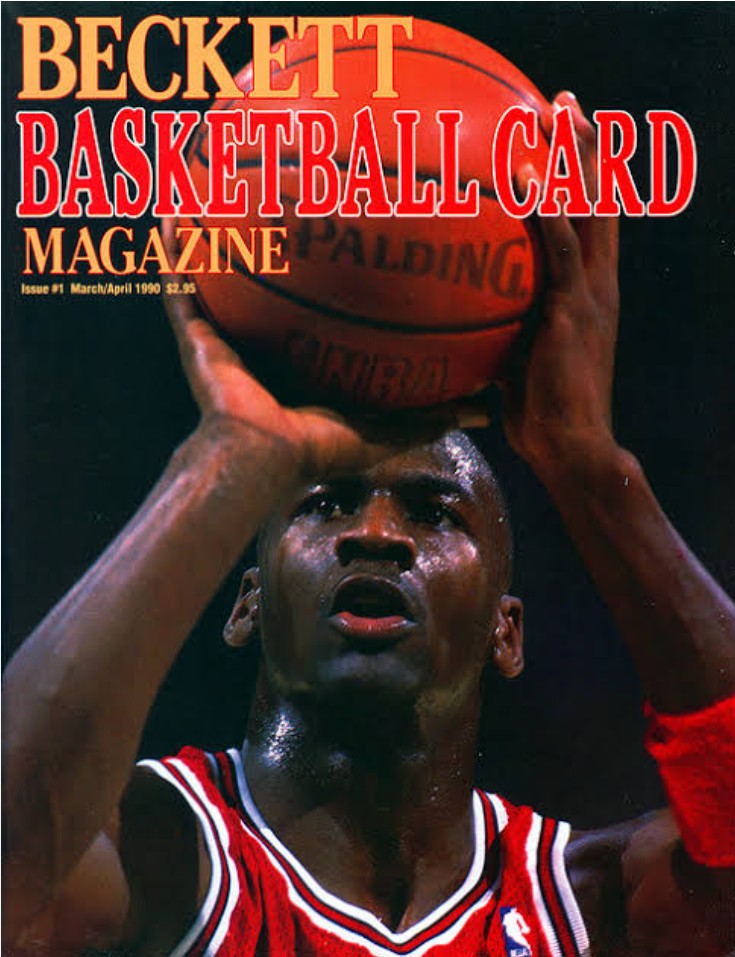
I have been collecting for a long time. Long enough to remember when nobody needed an influencer, an algorithm, a price chart, or a corporate marketing campaign to tell them whether they were enjoying the hobby correctly.
You bought what you liked. You traded with your friends. You chased players you cared about. You filled binders. You walked around a small card show on a Saturday afternoon and dug through dollar boxes looking for something that caught your eye. Sometimes the card was worth something. Sometimes it wasn't. And sometimes the card that meant the most to you wasn't worth much money at all.
That was the hobby. And as far as I'm concerned, it still should be.
Collecting is often seen today as a pursuit of value — rare cards, autographs, and memorabilia that might one day be worth a fortune. But for me, the true wealth lies not in the price tags, but in the stories and lessons that come with each item. We collect lessons, and if value shows up, great. But if not, we still come out richer in all the ways that matter.
The Emotional Centerpiece: Willie Davis
Among the many cards in my collection, one stands out above the rest: a Willie Davis rookie reprint from the Dodgers.
To most people, it's just another card. Willie Davis was the fastest man in baseball in the 1960s. He replaced Duke Snider in center field, won three Gold Gloves, helped bring two World Series championships to Los Angeles, and still holds the Dodgers' all-time franchise records for career hits, runs, triples, and total bases. Yet, somehow, he is still not in the Hall of Fame.
But to me and my brothers, Willie Davis is a key to our most cherished childhood memories. Our parents would drop us off at Dodger Stadium with a two-dollar deal: a Dodger dog, popcorn, soda, and a ticket to the game. We'd arrive early for batting practice, and Willie — a genuine superstar — would always come over, greet us, and say, “These are my adopted kids. Hope you guys have a great day. I'm going to try to hit a home run for you.”
That simple kindness left a mark that no price guide could ever measure. That card isn't valuable in dollars, but it's priceless in meaning. It unlocks memories of family, belonging, and the absolute magic of being seen by a hero. There is no amount of money you could offer me for it. It's about what it represents.
Stop Telling People How to Collect
One of my biggest pet peeves with the sports-card hobby today is how many people seem determined to tell everybody else how they are supposed to participate.
- ·Don't buy that. Only buy singles.
- ·Never buy retail. Only buy graded cards.
- ·Buy numbered cards.
- ·Buy this player before the market moves. Sell that player before his value drops.
Enough. Who made all these rules?
If you want to build a binder full of your favorite team, build the binder. If you want to collect every card of a player nobody else cares about, do it. If you enjoy opening packs, open packs. If you love raw vintage cards with soft corners because they remind you of the cards you had as a kid, collect those. If you want autographs, minor league cards, women's basketball, wrestling, Pokémon, or anything else that brings you joy, there should be room for you.
I enjoy hobby content. There are knowledgeable people producing excellent videos, podcasts, and market analysis. Use them for information. Use them for entertainment. But there is an important line: an influencer should not determine what you love. The minute somebody sitting behind a camera — who knows nothing about your finances, your family situation, or your goals — starts telling you what you must do with your money, it is time to change the channel.
“A collectible can have two values: market value and personal value. Those numbers are rarely the same.”
The Cost of Entry
We also have to talk about the cost of entry, because something fundamental has changed.
The growth of the secondary market has brought tremendous attention and money into sports cards. In some ways, that has been good. But there has also been a price. Literally. During the pandemic boom, the industry shifted. Hedge funds and venture capitalists entered the space. High-end boxes now routinely cost hundreds or thousands of dollars. We have created a culture where kids look at a pack and wonder what they can flip, instead of wondering whether their favorite player might be inside.
When the cost of entry becomes too high, eventually we stop creating collectors. And without collectors, there is no hobby. There is only a marketplace.
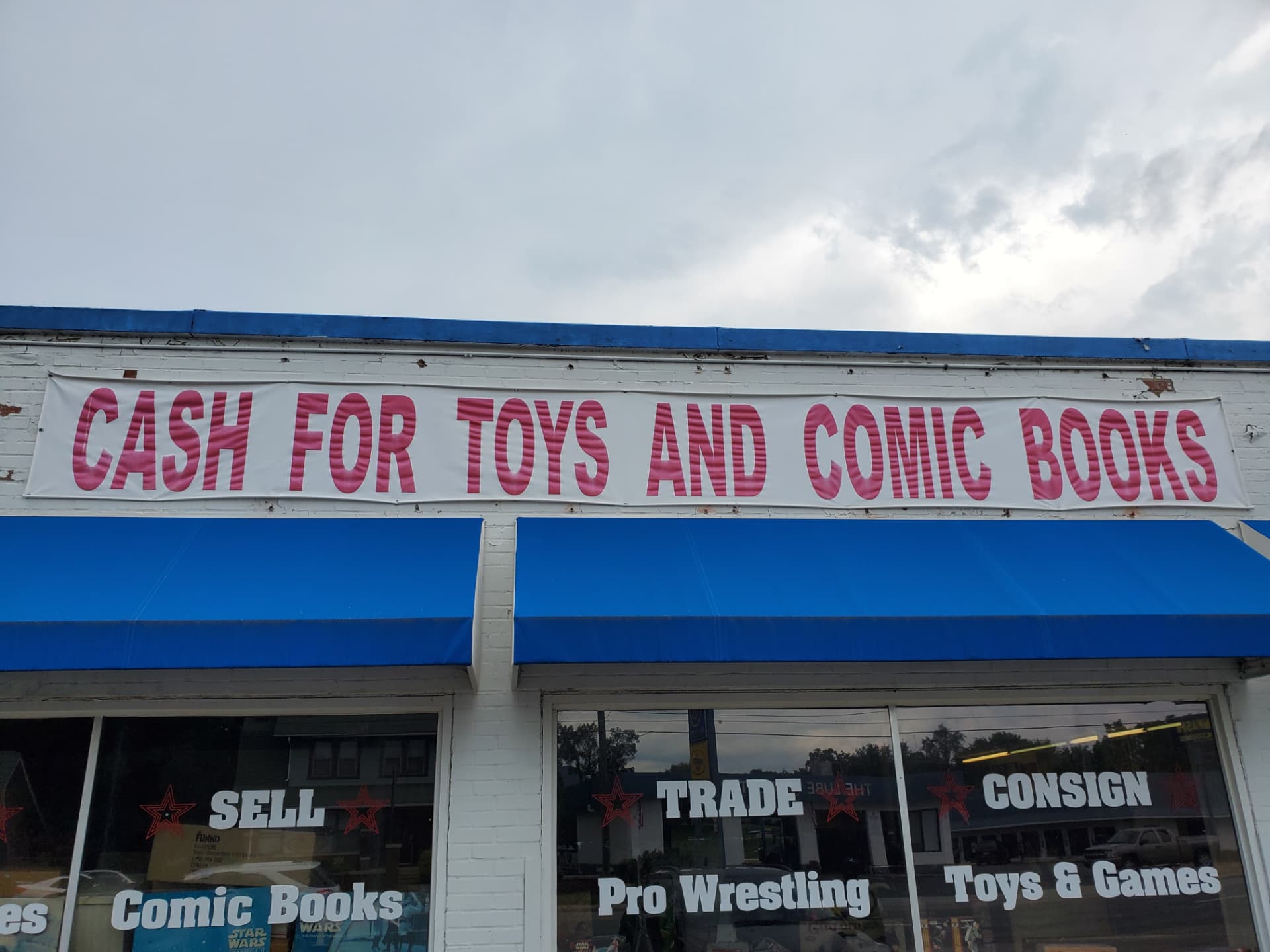
I understand business. Companies are supposed to make money, and large corporations have every right to participate in sports cards. But they should not be allowed to define the entire culture. In the early 1990s, there were over 10,000 brick-and-mortar card shops in America. When the junk wax bubble burst and the hobby became purely about mass production and speculation, the industry collapsed, and thousands of those shops closed their doors forever.
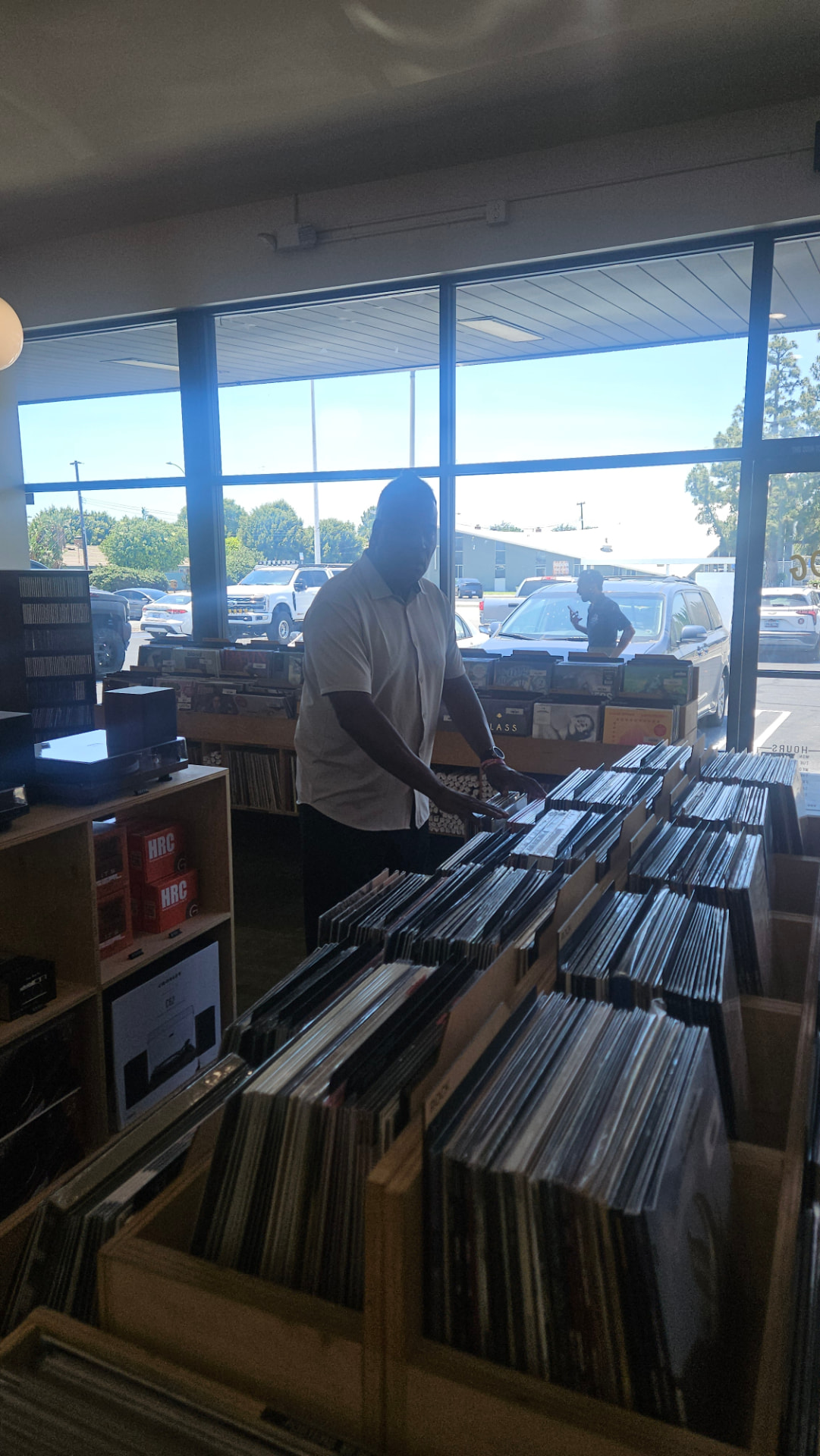
The hobby cannot survive long-term if everything becomes centralized around the biggest manufacturers, the biggest breakers, and the biggest auction houses. We need the little guy. We need the local card shop owner who knows your name. We need the father and daughter opening packs together. We need the kid saving allowance money for a ten-dollar card. We need people who might never own a five-figure card, but who have a shoebox full of memories worth more to them than any auction result.
Those people aren't on the outside of the hobby. They are the hobby.
A Letter to Future Collectors
I don't want a smaller hobby. I want a bigger one.
I want more kids collecting. More families collecting together. More women involved. More international collectors. More local shops. More neighborhood shows. More people sitting around a table talking sports, telling stories about why a particular card matters to them.
We don't accomplish that by creating artificial rules about who belongs. We accomplish it by making the tent bigger.
So collect your way. Break if you want to break. Build binders if you want to build binders. Spend twenty dollars, or spend two thousand dollars if you can responsibly afford it. Or spend nothing and simply enjoy the cards you already own.
To those who come after, my message is simple: collect stories, not just cardboard. Find your own Willie Davis — the person or moment that makes your collection truly yours. The hobby will change, but the joy and lessons will endure.
Because the moment this hobby becomes only about money, we will have lost the very thing that made all that cardboard valuable in the first place. The memories. The stories. The people. The chase. The connection. The joy.
That is the hobby I fell in love with. And that is the hobby worth protecting.
Collect what you love. Spend what you can afford. Listen to everybody — but let nobody tell you what your hobby has to be.
“Stories over speculation.”Companion ReadDon't Forget Who Built This Hobby →
Share This Story
Pull-quotes sized for Instagram, Facebook, and X. Tap to copy.